Most liked articles
30 articles
Ranked by likes

The operational process behind tokenization
DTCC spent seven months rebuilding its plumbing before one real trade touched a ledger. The gap between announcement and operational readiness is where RWA projects live or die.

How Tax Authorities Detect Undeclared Cryptocurrency Income
Why self-custody, DeFi and crypto cards do not make a person invisible, and how to restore PnL and correct tax history before an audit.

The CLARITY Act's September Gamble: What's Left to Fix Before Crypto's Big Vote
The Senate is expected to vote September 15 on whether to begin debating the CLARITY Act. Ethics rules, stablecoin rewards, and illicit finance remain unresolved.

The AI bubble in late 2026: how big, and what to watch
Hyperscaler capex is heading for $725 billion, half the S&P 500 is AI-linked, and the funding is shifting from cash to debt. What actually decides how this ends.
The CLARITY Act failed. What happens to crypto now?
The Senate blocked CLARITY 50 to 49 and XRP fell 8.83%. The bill is stalled rather than rejected, and the Fed now carries more weight than the vote did.
Silicon Valley's weird AI-dictation mask trend is the tip of a $22 billion voice AI boom
Silicon Valley offices have filled with people dictating prompts out loud — and along with them came masks and earbuds designed to mute that voice for everyone else. Behind the quirk is a startup about to become a $2 billion unicorn.

Crypto Cards That Never Take Your Keys
A new generation of crypto cards — OKX, MetaMask, COCA, Gnosis Pay — lets you spend straight from your wallet instead of pre-loading a card balance. Here's how that works technically, and why it doesn't remove every risk.

Wispr Flow and AI Voice Typing Services: 2026 Comparison
AI voice typing services — Wispr Flow, Superwhisper, Willow Voice, Aqua Voice and more: how they work, what they cost, how they differ, and which one actually fits your workflow.

Asset blocking: who can freeze your crypto funds
Exchanges, stablecoin issuers and courts can all restrict access to crypto. Who holds that power, why they use it, and what a frozen user can actually do.

$20 Billion in Investment, Institutional Players, and AI: The New Reality for Web3 Startups
Generis Web3 GTM Agency published The State of Web3 Startups 2026: $20 billion in venture investment, rising institutional adoption under MiCA, and how AI is changing how B2B buyers find vendors.

Five startups that defined Silicon Valley's last two years — and why crypto barely made the list
Five companies founded in Silicon Valley over the past two years are worth nearly $100 billion combined today — and not one of them is a crypto project. We break down each one: who founded it, what it's worth now, what the founders themselves say — and what happened to crypto startups from the same region in the same window.

Anthropic and Claude: A Full Look at the Company Betting Everything on AI Safety
A company that split from OpenAI over safety disagreements is now valued at nearly $1 trillion. Here's the full picture: Anthropic's history, the entire Claude model lineup, what its safety philosophy actually means in practice, and what genuinely sets it apart from the competition.
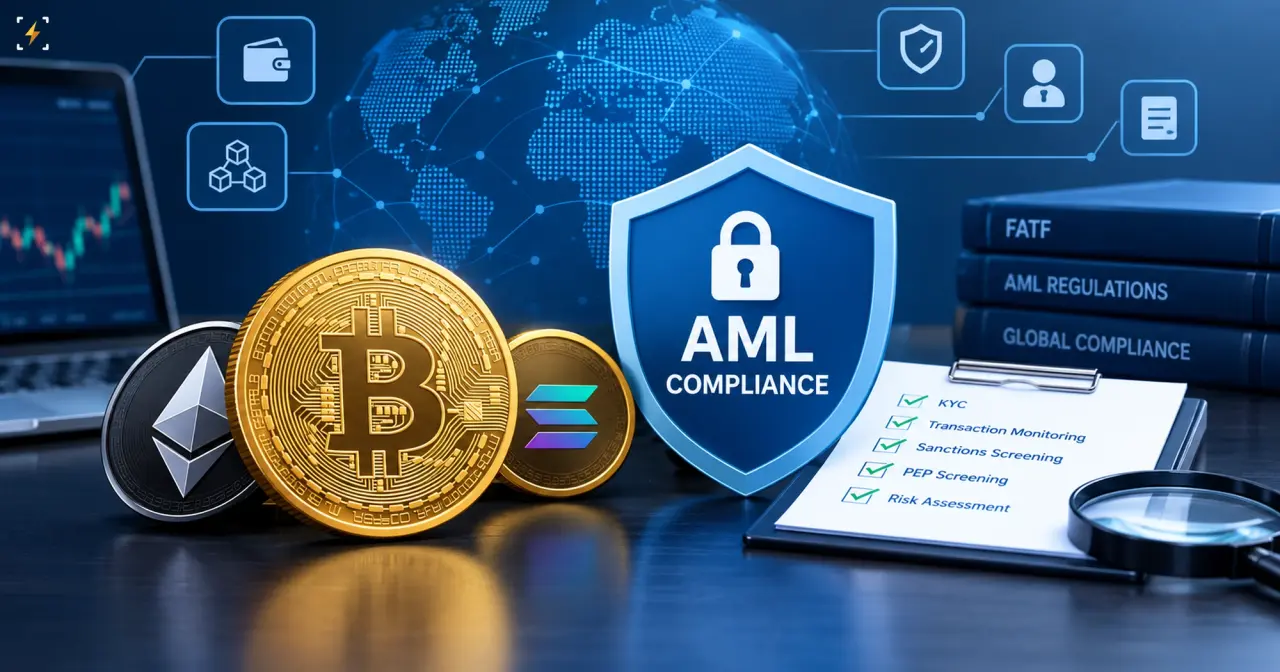
What is crypto AML compliance? A guide for cryptocurrency
Discover how strengthening screening, monitoring, and risk controls can reduce exchange and VASP financial crime risk.
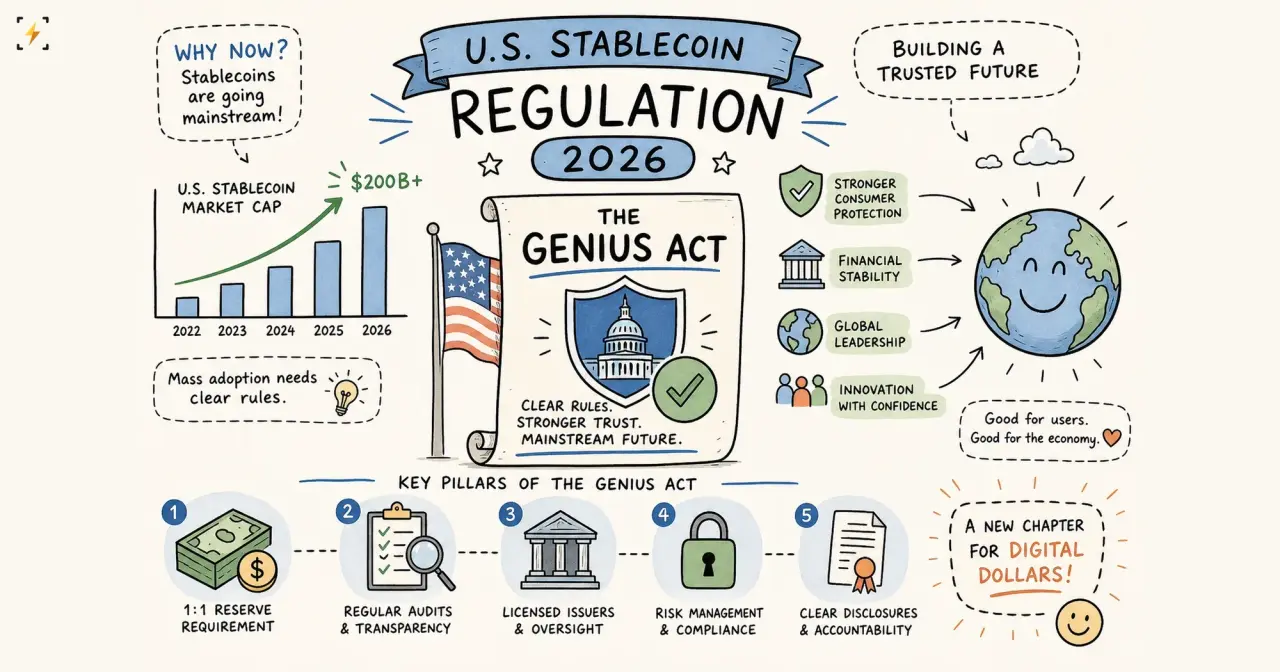
US stablecoin regulation: what the GENIUS Act requires
The GENIUS Act takes effect on 18 January 2027. What the law requires of issuers, which agencies supervise them, and what changes for anyone holding USDC or USDT.

DWF Labs and the Rise of RWA Tokenization
DWF Labs tokenized a real gold bar — and then flagged the sector's biggest weak spot: of the $31 billion in real-world assets now onchain, less than 10% is actually active in DeFi. Here are the three structural bottlenecks holding RWA back.

Buterin Wants a Cheaper Ethereum: What It Means for Investors
Vitalik Buterin doesn't hide it: ETH's price isn't his priority. We break down why Ethereum's founder is betting on lower fees and a simpler network through "Lean Ethereum" — and why a cheaper, faster network doesn't automatically mean a more expensive token.
Solana: From Proof of History to Firedancer and Alpenglow
How an idea about time as a data structure became one of crypto's largest networks — and the two parallel bets Solana is making on its future right now.

The Digital Euro: Europe's exit from non-EU payment schemes and the trust test that comes with It
Why the ECB is building its own payment rail, how it plans to keep payments private, and why trust decides whether any of it works.

Sam Altman: The Billionaire who doesn't own a single share of OpenAI
Sam Altman doesn't own a single share of OpenAI, yet became a billionaire in its orbit. The story of a man who went from a teenager in St. Louis to a figure promising the world superintelligence — with five days of being fired in 2023, Worldcoin, and a very public personal life.

The story of Binance: from a $15M ICO to the world's biggest exchange
In eight years, Binance went from a $15M ICO to an exchange with 300 million users and $34 trillion in annual volume — surviving a $40M hack, a $4.3 billion fine, and its founder's prison sentence. Here's the full story, from launch to a presidential pardon.
USDC: The dollar that Europe has allowed
$74bn in circulation and $19bn of daily turnover. Who stands behind USDC, what sits in its reserves, and why Europe let this coin stay but not USDT.
Strategy: The Full Story of Saylor's Bitcoin Bet
From a software startup and the dot-com crash to the world's largest corporate Bitcoin treasury — the story of Strategy and the man who bet on Bitcoin.
Grok and xAI: The Full Story of Elon Musk's AI
From a "maximally truth-seeking AI" to a $1.25 trillion merger with SpaceX — here's the full history, products, growth, and controversies behind Grok and xAI, in one place.

AI stops where checking gets expensive
Five deployments from one week, all with published numbers. The line between the successes and the reversals is not capability. It is how fast and how cheaply anyone can establish that the machine was wrong.

Wispr Flow: the startup replacing your keyboard with your voice — and racing toward a $2 billion valuation
Here's Wispr Flow — the app that turns your speech into polished text inside any program. The founders' story, real growth numbers, user reviews, and why investors are valuing the company at nearly $2 billion.

Where People Actually Spend With Crypto Cards: 2026 Data
$607M a month, 6x growth in 18 months, and one card holding three-quarters of the market. We break down the real geography and numbers behind crypto cards, based on Paymentscan and Dune Analytics data.

Safest crypto storage: cold wallets and multisig
How to keep crypto safe in cold storage: hardware wallet comparison, metal seed backups, multisig, and what the 2026 attacks changed.
The CLARITY Act, explained simply: how the US is carving up crypto into three regulatory buckets
The main US crypto market structure bill has passed the House and cleared a Senate committee, but it's still stuck before a final vote. Here's what the CLARITY Act actually changes, explained simply — and why it still hasn't passed.
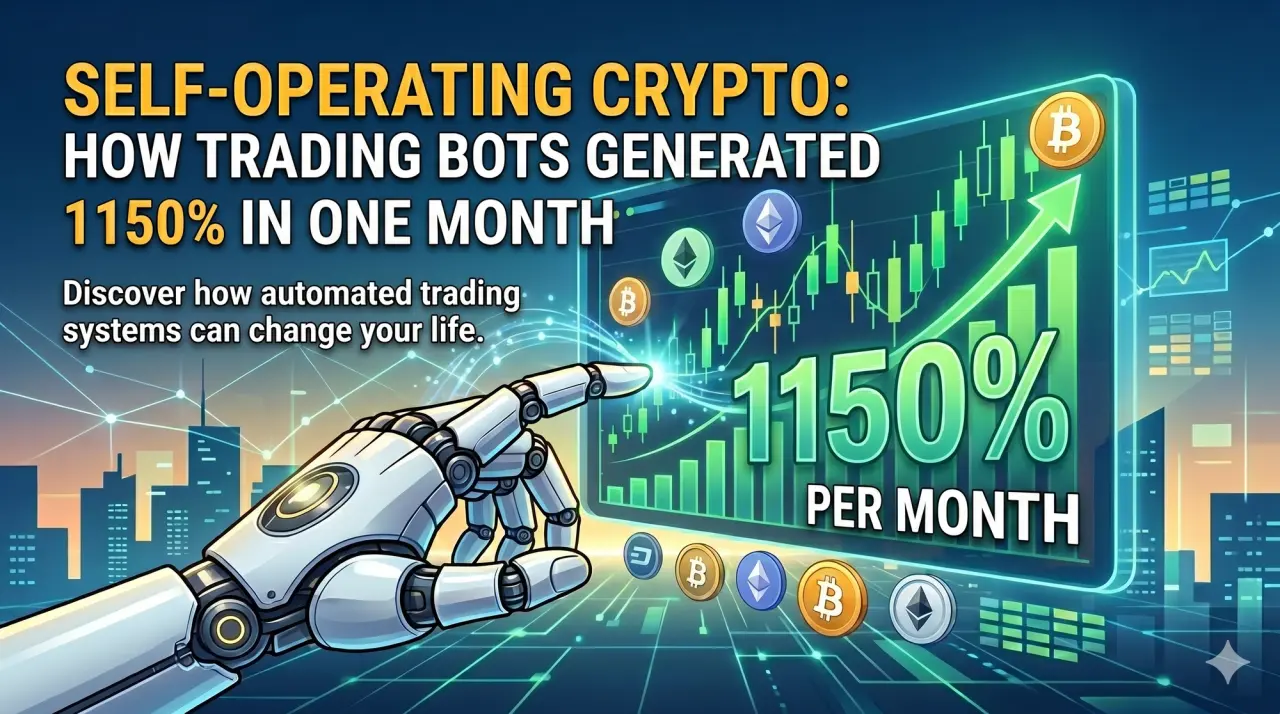
Crypto That Works on Its Own: How Trading Bots Earned $1,150 in a Month

OpenAI and ChatGPT: A Full Look at the Company
OpenAI is now valued at $852 billion, with ChatGPT topping 900 million weekly users. Here's its history, its products, the lawsuits following it, and where it actually stands in the 2026 AI rankings.