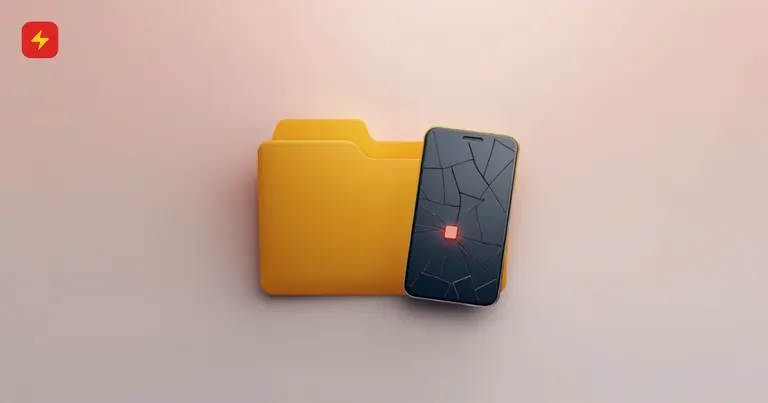
"LOL, so funny": how a text message became evidence in Apple's lawsuit against OpenAI
Continuing our series on Silicon Valley's biggest AI-related scandals. The second installment is fresh and arguably the most detailed yet: on July 10, 2026, Apple sued OpenAI, accusing the company of an organized campaign to steal trade secrets tied to future devices — and the court filing includes a text message that's hard to describe as anything but a confession.
What Apple Alleges
As the lawsuit puts it, the theft happened "at every level, from members of its Technical Staff to its Chief Hardware Officer, and in coordination with business partners." Apple alleges that OpenAI obtained access to confidential hardware designs, manufacturing methods, supplier information, and other trade secrets tied to Apple's future consumer devices.
Two Former Apple Employees at the Center of the Case
- Tang Tan — according to the lawsuit, using knowledge gained over 24 years at Apple, obtained confidential information from current Apple employees who were interviewing for OpenAI jobs. Tan previously served as Apple's VP of product design and now leads OpenAI's hardware operations
- Chang Liu — according to the filing, a former Apple employee who joined OpenAI and never returned his Apple laptop. Per the complaint, Liu discovered an authentication bug that let him keep accessing Apple's cloud storage after he'd left, and downloaded dozens of confidential hardware files
The Evidence That Became the Case's Meme
The most-quoted fragment of the lawsuit is a text message that, according to the filing, Liu sent a former Apple colleague:
LOL, I found out I can access the network storage, so funny. — from a text message cited in Apple's lawsuit
That single line became, for many outlets, the symbol of the entire case: the casual tone of the text stands in stark contrast to the seriousness of the allegations — systematic corporate espionage against a company that had until recently been OpenAI's key technology partner.
From Partnership to Feud
The irony is that back in 2024, Apple and OpenAI struck a high-profile partnership: ChatGPT was integrated directly into the iPhone's operating system. Relations between the two companies chilled sharply after OpenAI announced plans to enter the consumer hardware market and bought former Apple design chief Jony Ive's startup, io Products, for $6.4 billion. According to the lawsuit, Apple sent OpenAI a formal letter outlining its concerns back in February 2026 and requested a response — but, Apple says, none came, prompting the company to continue its internal investigation and ultimately file suit.
What Apple Is Seeking
Apple is seeking preliminary and permanent injunctions barring OpenAI and the other defendants from possessing, using, or disclosing its alleged trade secrets, along with the return of confidential information and property, preservation of electronic evidence, compensatory damages, unjust-enrichment damages, a reasonable royalty, and attorneys' fees.
Why This Is More Than a Corporate Spat
Apple v. OpenAI is a stark illustration of just how fierce the competition for talent and technology has become at the intersection of AI and consumer electronics: two companies that were recently partners on ChatGPT's iPhone integration are now suing each other over alleged corporate espionage around next-generation devices. The signal for the rest of the industry is simple: the race among AI companies to build their own hardware has already led to a direct clash with one of the world's largest consumer electronics makers.
This material is for informational purposes only and is not investment advice.

Comments (0)
No comments yet — be the first!
The market talks all day. We write when it says something
Short, and it tells you why it came
Related news


Most readTop 7

Silicon Valley Workers Are Wearing Noise-Cancelling Masks to Dictate AI Prompts
332AI

