Bionic hand that can feel goes home with its first trial patient
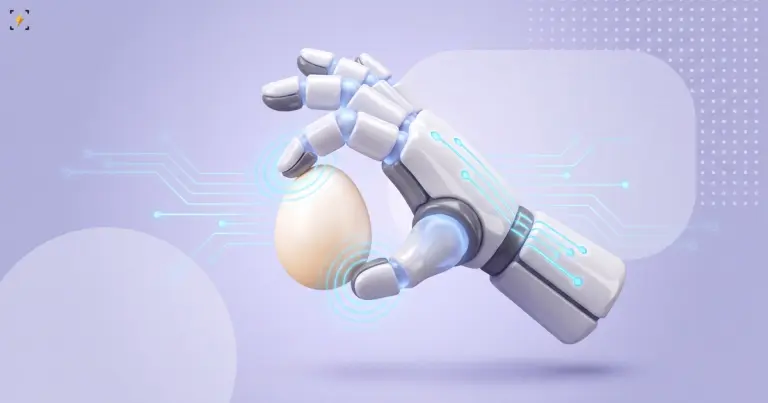
Avi Davidson can crack an egg with his left hand again. The hand is a bionic prosthesis wired into three nerves in his forearm, and since July he has used it at home, the first of nine people in a University of Utah trial to do so, MIT Technology Review reports.
The bionic hand sends signals both ways. Davidson moves the fingers by thinking about the movement and feels how hard he presses, so he can hold grapes, eggs and his wife's hand.
From an accident to a home trial
- 2009: at 16, Davidson grabs a live wire on a telephone pole and falls; surgeons later amputate his left hand
- May 2014: the FDA approves the DEKA Arm, now sold as the LUKE arm
- January 2026: a surgeon implants three electrode arrays, each with 100 needles, into his forearm nerves
- 10 July 2026: he starts using the hand at home
The Utah team has tested limbs connected to nerves since 2013. Davidson, now a 33-year-old trauma therapist, met them through a scientist he ran into at a supermarket.
Two directions of training
Movement took about five minutes to set up, said Jake George, director of the university's neurorobotics lab. The team recorded nerve signals while Davidson imagined moving his hand, and a computer learned to turn those signals into finger and wrist commands.
Touch took three days. Researchers stimulated each electrode in turn and asked Davidson whether he felt anything. Now he connects the hand to wires that come out of his skin, which George compares to plugging in a USB-C cable, and starts it from a small computer.
Life with the hand
He wears it about six days a week, swaps the batteries once or twice a day and takes it off at night. It weighs around five pounds. Writing his name used to take him minutes and now takes seconds.
Davidson sometimes feels pain in the hand. He also gets stiffness in the bionic wrist, and he eases it by pulling the fingers back, the way you stretch a tired wrist after typing. The arm has no tendons, so Chris Duncan, chief medical officer at BIOS, a neurotechnology company backing the trial, says the effect makes no sense physiologically. Duncan suspects it comes from the way Davidson's brain represents the hand.
“Our patients aren't being compensated, they don't get to keep the device, and they go through two surgeries: the surgery to get it in and the surgery to take it out.”
— Jake George, director of the University of Utah neurorobotics lab, MIT Technology Review, 26 November 2026
Quote source: MIT Technology Review
The next study
The team plans a larger study and wants FDA approval for the two-way system, so health insurers would pay for it. The researchers also hope users could control wheelchairs and remote controls through the same nerve link.
Robotics companies face a related problem from the other side: teaching machines to grip and move. For context, we wrote about the robot brain builders working on AI for physical machines.
The trial's first year ends in late January 2027, and an extension depends on funding. Davidson says he signed up knowing he would give the hand back. Each patient pays for that with two surgeries, so in the larger study the Utah team will have to show that a hand you can feel is worth both.
This article reports on a clinical trial and is not medical advice.

Author
MaksTrading man
I've been interested in the cryptocurrency market for a long time, am a trader, and write articles and news about my experience and crypto in simple terms.
Comments (0)
No comments yet — be the first!
Join our community
No spam, unsubscribe in one click
Related news
Most readTop 7

Silicon Valley Workers Are Wearing Noise-Cancelling Masks to Dictate AI Prompts
406AI

