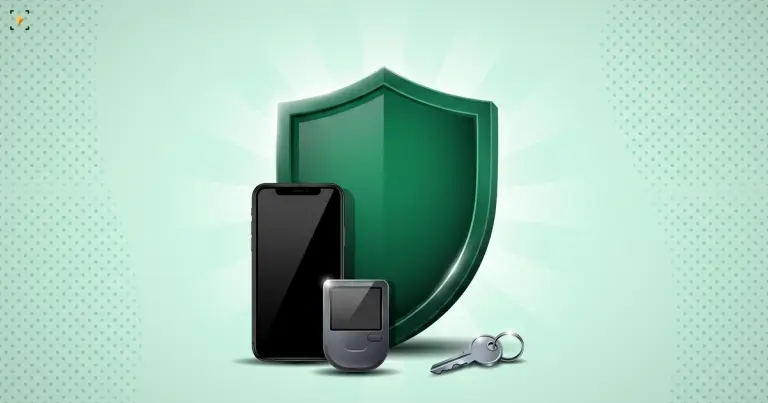
Crypto wallet security: rules to follow every time you use one
You are most likely to lose coins during an ordinary task: sending to a friend, connecting to a new app, asking a stranger in a chat for help. The rules of crypto wallet security cover those moments, and you can learn them in an evening.
They apply to a phone app, a browser extension and a hardware wallet alike. A device keeps the key away from your computer, but it signs whatever you tell it to sign.
The seed phrase stays offline
Your seed phrase restores the wallet on any device, so treat it as the wallet itself. Write it on paper or stamp it into steel, keep a second copy in another building, and test a restore before you deposit real money.
Never type the phrase into a website, a form or a chat. No wallet maker, exchange or support agent will ask for it, and anyone who does is trying to rob you. Keep it out of photos, cloud notes and password managers too.
Before you send
Attackers count on the moment you paste an address. Before each transfer:
- compare the whole address, not just the first and last characters, because poisoned addresses match those
- send a small test amount to a new address and wait for it to arrive
- pick the same network on both sides, since a token on the wrong chain can be lost
- add the memo or tag an exchange asks for on networks such as XRP, Stellar or TON
Before you sign
A signature can do more than send coins. An approval lets a smart contract spend a token from your wallet, sometimes with no limit and no end date. Read the wallet's preview, refuse anything you do not understand, and close any site that rushes you.
Once a month, open a revoke tool for your network and cancel approvals for apps you no longer use. It takes a few minutes and a small fee.
Keep the device clean
Install updates for the wallet, the browser and the phone. Use a separate browser profile for crypto with only the extensions you need. Open apps from bookmarks, not from search ads. Never install remote access software at the request of someone who says they work for support.
Split your money
Keep a small sum in a hot wallet for daily use and the rest on a hardware wallet. For large amounts consider a multisig setup, so that one lost or stolen key cannot empty it. Write down for your family where the backups are and how to use them, without writing the phrase itself in that note.
Each rule asks for ten seconds of attention before you paste, sign or reply. Attackers build their tricks around the moment you hurry, so those ten seconds protect more than any app setting.
These are general safety habits, not personal financial or legal advice; check your wallet's own documentation for its specific features.

Author
MaksTrading man
I've been interested in the cryptocurrency market for a long time, am a trader, and write articles and news about my experience and crypto in simple terms.
Comments (0)
No comments yet — be the first!
Join our community
No spam, unsubscribe in one click
Related news


Most readTop 7

Silicon Valley Workers Are Wearing Noise-Cancelling Masks to Dictate AI Prompts
398AI

