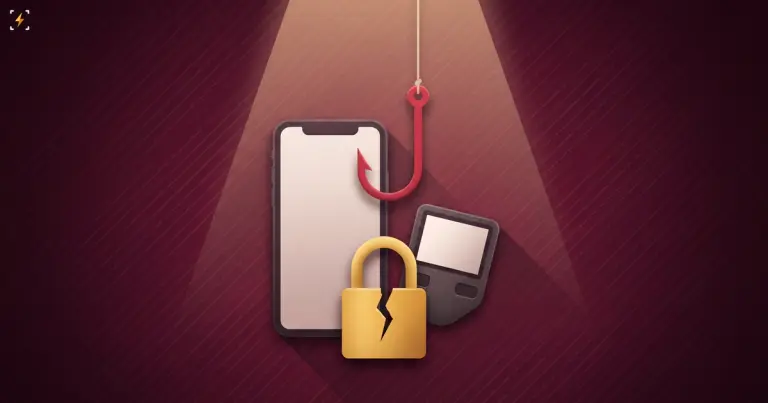
Crypto wallet threats: drainers, fake devices and leaked seed phrases
Attackers rarely break the cryptography that protects a crypto wallet. They go after what surrounds it: the server that holds the key, the device on its way to you, the code that generates your seed phrase, and you.
The past two months show every one of those crypto wallet threats in action. Ledger chief executive Pascal Gauthier said in November that thieves took about $12 billion from the industry this year, although public trackers count less.
Hot wallets on servers
A hot wallet keeps its key on a machine that stays online, so it can sign without a person. Attackers went after that setup twice this autumn. On 29 October attackers moved about $6.3 billion out of Binance's hot wallets in under four hours after months of work on employees' computers. Three days later someone emptied hot wallets on merchant servers running BTCPay Server 2.4.1 and older.
If you run a payment server or a trading bot, keep only working cash on it and update the software the day a fix appears.
Tampered and counterfeit devices
A hardware wallet protects the key only if the device in your hand is the one the maker built. Ledger's security team found an implant in devices sold by a reseller in Southeast Asia. It read the 24-word phrase during setup and sent it out over a cellular link, and thieves later took more than 60 BTC from three addresses.
Keystone had a different problem. An attacker who broke into its website on 20 October took the key its devices use to prove they are genuine, and the company decided to destroy 18,835 units from its warehouse.
Weak seed phrases
A seed phrase is only as strong as the randomness behind it. The web wallet of the Qubic network built seeds with a JavaScript function that was never meant for security. An attacker drained 1,404 wallets in 104 minutes in October, one every few seconds.
Phishing, drainers and poisoned addresses
Many losses start with an email or a message. Between August and September Trezor's contractors leaked about 81,000 customer records, and Trezor and BitBox users then received fake security alerts asking them to verify their devices. Other common tricks:
- drainer sites that ask you to sign an approval and then empty the wallet
- address poisoning, where a scammer sends a tiny transfer from an address that looks like one you use
- clipboard malware that swaps a copied address for the attacker's
- fake wallet apps and browser extensions in official stores
Which wallets are at risk? Any wallet whose key sits on an online server, any device bought outside the maker's shop, any wallet created by an obscure web app, and any owner whose name and address leaked. Check which of those describes you before you check the price of your coins.
The incidents above are summarised for awareness; amounts are those reported at the time and may change as investigations continue.

Author
MaksTrading man
I've been interested in the cryptocurrency market for a long time, am a trader, and write articles and news about my experience and crypto in simple terms.
Comments (0)
No comments yet — be the first!
Join our community
No spam, unsubscribe in one click
Related news

Most readTop 7

Silicon Valley Workers Are Wearing Noise-Cancelling Masks to Dictate AI Prompts
398AI

