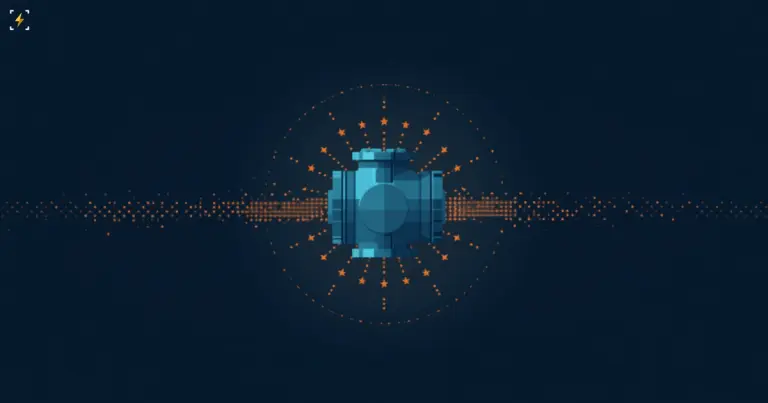
A Guardian columnist argues the EU should use ASML to halt the AI race
Guardian columnist Alexander Hurst makes a specific, unusual argument in a new opinion piece: the EU holds the one real chokepoint on the global AI race, and should use it. That chokepoint is ASML, the Dutch company that makes the extreme ultraviolet lithography machines behind the most advanced chips in the world.
- ASML's EUV machines cost roughly $400 million per unit and etch chip patterns at a 13.5 nanometre wavelength
- The US already restricts ASML's most advanced machines from reaching China, which Hurst cites as evidence the chokepoint is real
- TSMC is investing $265 billion in new fabs; the industry is expected to build $7 trillion worth of datacenters by 2030
- Named voices calling for a slowdown: Bernie Sanders, Bill Gates, and Anthropic, which has called for a "brake pedal" on AI development
- Named accelerationists Hurst cites: Elon Musk, Sam Altman, Peter Thiel, and Marc Andreessen
Hurst's mechanism is direct: without ASML's machines, there are no advanced chips; without chips, no new datacenters; without new datacenters, AI development stalls. A flat EU export ban, he argues, would force the industry to tread water, buying regulators time to catch up on copyright law, tax law, and the basic question of what role AI should play in daily life.
If someone had a credible plan for slowing down AI advances globally, I would likely support it.
Hurst frames this as self-interest as much as caution. A ban would push more of the chip supply chain under EU jurisdiction, the only major regulator that has actually written AI rules into law. The obvious risk is retaliation: the US could cut ASML off from its own suppliers in response, and Hurst concedes that outcome is more likely than a clean EU win.
The EU's own AI boosters make a version of the same argument for the opposite reason. Intokened has covered Brussels' own AI spending, €30 billion committed to AI "gigafactories" that still run on American chips, exactly the dependency Hurst says the EU could flip into leverage instead. He also echoes Anthropic's own warnings about concentrated AI power, the same argument Intokened traced when CEO Dario Amodei said open models mostly shift that power toward whoever owns the chips.
Hurst's closing comparison is nuclear strategy's "use it or lose it" logic: the longer the EU waits, the more EUV-adjacent capacity gets built elsewhere, and the weaker ASML's leverage becomes. Whether Brussels would risk a fight with Washington over it is a separate question from whether the leverage exists.
This piece is informational, not a recommendation to buy, sell, or hold any asset.

Author
MaksTrading man
I've been interested in the cryptocurrency market for a long time, am a trader, and write articles and news about my experience and crypto in simple terms.
Comments (0)
No comments yet — be the first!
Join our community
No spam, unsubscribe in one click
Related news

Tampered Ledger devices mailed the seed phrase and drained $4.8m in bitcoin
Top 10 altcoin gainers of the last 48 hours and what each project does
Capital B lost $78m in the first half, and 97% of it was an impairment
Most readTop 7

Silicon Valley Workers Are Wearing Noise-Cancelling Masks to Dictate AI Prompts
369AI

