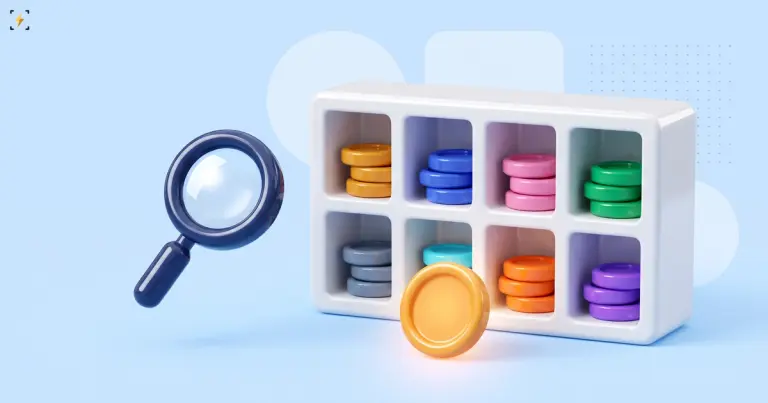
Types of cryptocurrency: 44 coins in eight sectors
Bitcoin is worth more than the other 43 coins in our assets section put together: $1.55 trillion out of $2.23 trillion on 5 November, by CoinGecko data. Sort the same coins into types of cryptocurrency instead of ranking them by price, and you get eight sectors. Each one solves a different problem, and the coins compete mostly inside their own group. A payment coin and an exchange token do different jobs, so a weekly price race between them tells you little.
The eight types at a glance
Shares of the combined market cap of the 44 coins we track, on 5 November:
- Store of value: Bitcoin alone, 69.3%;
- Layer 1 platforms: 15 coins led by Ethereum and Solana, 17.7%;
- DeFi and exchange tokens: 8 coins led by BNB and Hyperliquid, 5.5%;
- Payments: XRP, Bitcoin Cash, Stellar and Litecoin, 4.3%;
- Privacy: Zcash and Monero, 1.5%;
- Infrastructure: 8 coins led by Chainlink, 0.8%;
- Meme coins: Dogecoin, Shiba Inu and Pepe, 0.7%;
- Layer 2 and scaling: Mantle, Arbitrum and Polygon, 0.2%.
We left stablecoins such as USDT and USDC out of the list. Their price tracks the dollar, so a guide with a price chart and a calculator would show you a flat line.
Store of value: Bitcoin
Satoshi Nakamoto described Bitcoin in a nine-page white paper in 2008, and the network started in January 2009. The rules cap supply at 21 million coins and halve the miners’ reward every four years. Miners have produced about 20.1 million so far. Most holders keep bitcoin as savings and spend little of it, so we put it in a sector of its own. Our Bitcoin guide follows the price from $15 in 2011 to today.
Layer 1 platforms
A Layer 1 is a base blockchain that runs smart contracts, programs that other teams use to build exchanges, games and lending apps. Ethereum launched this model in 2015 and stays far ahead: at $279.5 billion it is worth more than the other 14 platforms in the sector combined. Solana, Tron and Cardano follow.
The platforms differ in fees, speed and what people use them for. Tron carries a large share of USDT transfers. Solana hosts a large share of memecoin trading. Kaspa, a proof-of-work network, cuts its mining reward every month, and we covered that schedule when the network turned five.
DeFi and exchange tokens
These tokens belong to a business: an exchange, a lending market or a trading app. BNB, worth $91.1 billion, pays fees on Binance’s blockchain and gets discounts on the exchange. HYPE belongs to Hyperliquid, a derivatives exchange that launched its token in 2024 and spends most of its trading fees on buying HYPE back. The sector also holds Uniswap, Aave, Ethena, Ondo, Jupiter and Cronos.
Ask what the token gives you. Some tokens return fees through buybacks or staking. Others give only votes on how the protocol changes.
Payment coins
XRP, Litecoin, Stellar and Bitcoin Cash were built to move money fast and cheaply. Charlie Lee launched Litecoin in 2011 with blocks every two and a half minutes. Bitcoin Cash split from Bitcoin in 2017 over block size. XRP makes up 84% of the sector’s value. Stablecoins now carry much of the traffic these coins were designed for, so compare them on fees, settlement time and the companies that run payments on each network.
Privacy coins
Monero hides the sender, the recipient and the amount in every transaction by default. Zcash lets you choose between a transparent address and a shielded one, and it uses zero-knowledge proofs to confirm shielded payments. Zcash overtook Monero in 2025 and is now worth $21.0 billion against $11.8 billion. From July 2027 the EU’s anti-money laundering regulation bars crypto service providers from handling accounts that hide their owners, so check whether your exchange will keep these coins.
Infrastructure
Infrastructure tokens pay for a service that other networks or companies use. Chainlink delivers prices to smart contracts. Polkadot and Cosmos connect separate blockchains. Render rents out graphics cards, Filecoin rents out disk space, and Bittensor rewards people who run and train AI models. All eight together are worth $18.9 billion, about as much as Hyperliquid alone.
Meme coins
Dogecoin, Shiba Inu and Pepe have no product behind them, so buyers pay for attention and trading volume. Their launch rules differ: Dogecoin has no supply cap, while SHIB and PEPE have a fixed supply. We told the story of each launch in our meme coins explainer.
Layer 2 and scaling
Arbitrum, Mantle and Polygon run on top of Ethereum and send their transactions back to it in batches, which makes each payment cheaper. The sector is the smallest by value at $3.5 billion. On Arbitrum you pay fees in ether, and ARB gives you votes in its governing organisation. Activity on these networks can grow while ARB and its peers stay cheap.
How to compare coins inside a sector
Before you put two coins side by side, check five things:
- market cap and rank, which show how much money is already in;
- supply rules: a cap, a halving schedule or open-ended issuance;
- who controls the project: a foundation, a company or no one at all;
- what the token does: pays fees, earns staking rewards or gives votes;
- price history from more than one starting year.
We ran our investment calculator on ten coins from November 2021, and eight of them lost money.
How to use the assets section
The assets section shows all 44 coins as cards or as a table. Filter by sector to compare like with like, and sort by 24-hour or 7-day change to see where money moved this week. Prices and market caps refresh every 15 minutes from CoinGecko. Each coin opens a guide with its history, key facts, answers to common questions and a calculator for past prices.
What it means for you
Start from the job you want a coin to do: savings, a platform for apps, cheap payments, privacy or a bet on attention. That choice narrows 44 coins to a sector of two to fifteen. Inside the sector, compare supply rules and what the token does before you look at the price chart.
Market data as of 5 November 2026, from CoinGecko. Sector assignments are ours. This is not investment advice.

Author
MaksTrading man
I've been interested in the cryptocurrency market for a long time, am a trader, and write articles and news about my experience and crypto in simple terms.
Comments (0)
No comments yet — be the first!
Join our community
No spam, unsubscribe in one click
Related articles
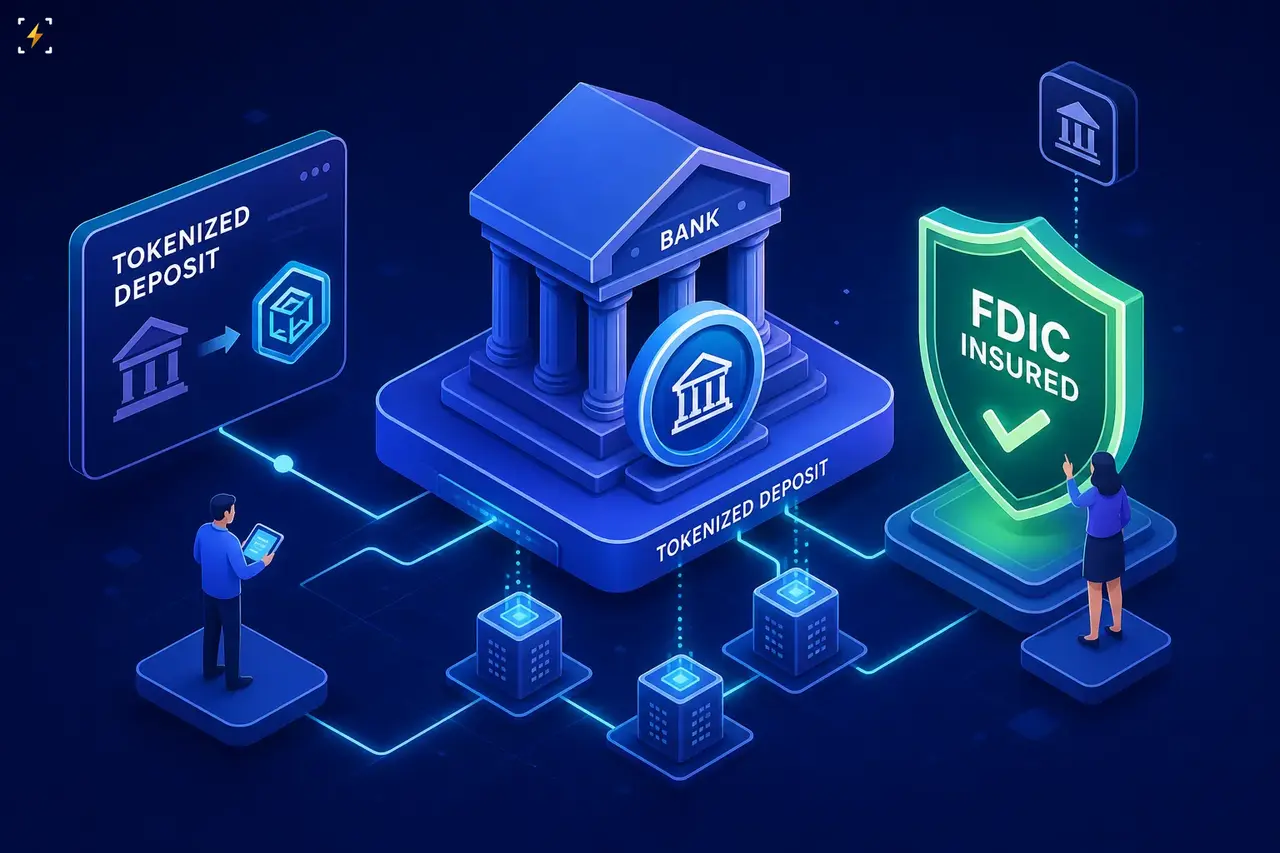
What is a tokenized deposit account and is it FDIC-insured?
A tokenized deposit is your bank balance on a blockchain. How it differs from a stablecoin and CBDC, which banks offer one, and when FDIC insurance applies.

What's the Best AI Tool for Your Job? A Role-Based Guide
Pick an AI tool by workflow, tech stack and compliance, in that order. Best tools by role, what free and paid tiers really give, and why certifications depend on the plan.
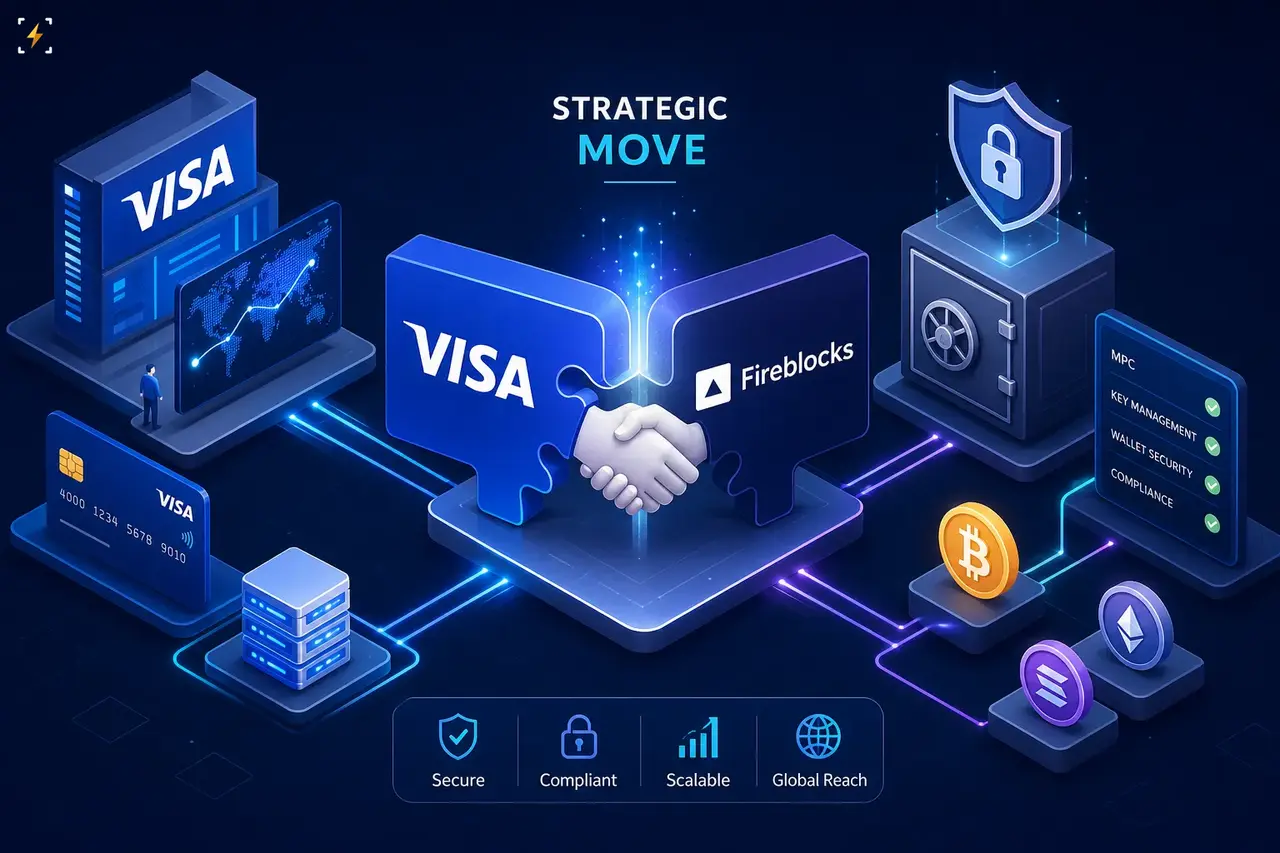
Visa Buying Fireblocks: What It Means for Crypto Custody
If Visa buys Fireblocks, it would own the MPC custody infrastructure 2,500+ enterprises run on. What changes for custody standards, insurance, settlement and regulation.
Most readTop 7

Silicon Valley Workers Are Wearing Noise-Cancelling Masks to Dictate AI Prompts
393AI

