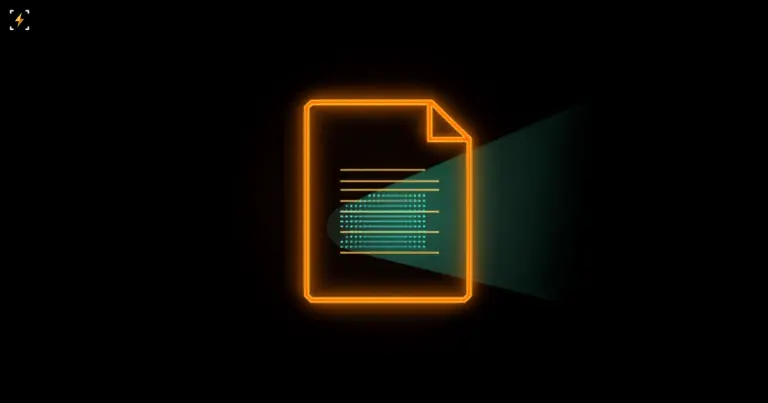
Anthropic opens Claude watermark detection to regulators and media
Anthropic has launched a verification API that lets approved organizations check whether a piece of text carries Claude's invisible watermark, The Decoder reports.
- Eligible applicants include regulators, law enforcement, media, fact-checkers, independent researchers, educational organizations, and EU civil society groups, plus enterprises that need verification for compliance
- Organizations request access through a Google Form, and Anthropic says it plans to expand access over time
- The underlying technology builds on Google's SynthID text method, adjusting word-selection randomness to create a statistically detectable pattern Anthropic says "may persist through some editing"
- Anthropic says the watermark "contains no user data and affects neither quality nor content"
The requirement traces back to the EU AI Act, which mandated invisible watermarks on AI-generated text starting August 2, 2025. Anthropic began embedding the watermark worldwide, not just in the EU, and started signing supported image files with C2PA provenance data at the same time.
A text watermark like this doesn't add visible marks or hidden characters to the writing. It works by subtly biasing which words the model picks at each step, favoring one synonym over another in a pattern that looks random to a human reader but isn't. Feed enough text from the same source back through a matching detector, and the bias shows up as a statistical signal, even though no single sentence looks unusual on its own.
The detection API answers a question Intokened raised when the watermark itself first rolled out: a watermark nobody outside Anthropic can verify is a promise, not a check. Opening it to outside fact-checkers and regulators is the difference between a compliance checkbox and a tool anyone can use to test a suspicious document. It also reopens the debate critics were already having over the underlying technique. Intokened covered pushback arguing that adjusting word choice to embed a detectable pattern can quietly degrade text quality, and trade publication Artificial Lawyer has separately raised a narrower concern: a detectable AI fingerprint could complicate contracts that ban AI use, or weaken a firm's position in fee negotiations where the work was supposed to look human-made.
None of that makes the watermark useless. It means verification access solves a different problem than quality or fairness. A regulator checking whether a document was AI-written and a client checking whether a lawyer secretly used Claude to draft a contract are running the exact same tool for very different reasons, and Anthropic's access form doesn't distinguish between them.
Nothing here should be taken as financial advice — just information to consider.

Author
MaksTrading man
I've been interested in the cryptocurrency market for a long time, am a trader, and write articles and news about my experience and crypto in simple terms.
Comments (0)
No comments yet — be the first!
Join our community
No spam, unsubscribe in one click
Related news

Claude: long documents, coding tool included, and what the tiers cost
Kraken Unified Wallet turns every EEA balance into margin, Earn included
Surface Laptop Ultra runs $2,599 to $5,899, and the petaflop is FP4
Most readTop 7

Silicon Valley Workers Are Wearing Noise-Cancelling Masks to Dictate AI Prompts
369AI

