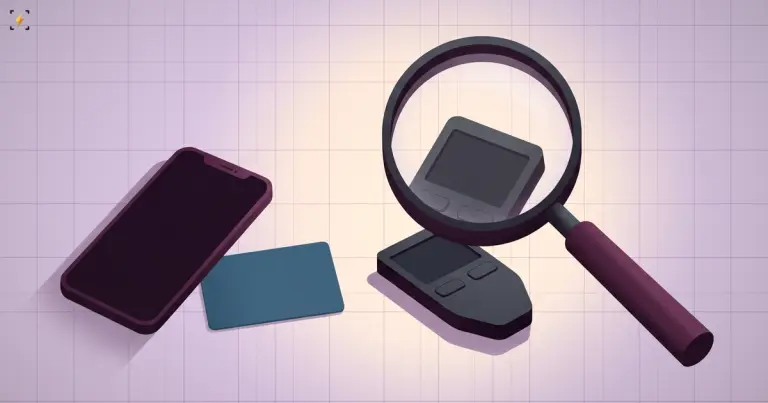
How to choose a crypto wallet: popular options and what to check
Most guides to the best crypto wallet start with a ranking. A ranking skips the questions that decide whether a wallet suits you. Before you look at names, answer three: which coins and networks you hold, how often you move them, and whether you want to hold the keys yourself.
Knowing how to choose a crypto wallet means matching those answers to a short list of checks. A trader who signs into DeFi apps every day needs something different from a person who bought bitcoin once and plans to hold it for ten years.
Start with the networks you use
A wallet only shows coins on the networks it supports. MetaMask grew up around Ethereum and its layer 2 networks. Phantom started on Solana and added Ethereum, Bitcoin and other chains. Trust Wallet and Exodus cover dozens of networks in one app. Check that your network is on the list before you send anything. If you send coins over a network your wallet cannot read, they will not appear in it.
Decide who holds the keys
An exchange account is the easiest start, and the exchange holds your keys. A non-custodial wallet gives the keys to you through a seed phrase. If you plan to keep more than you would carry in a physical wallet, move to self-custody and write the phrase down on paper or steel before the first deposit.
The checks that matter
Before you install or buy, go through this list:
- open source code, so outside researchers can read what the wallet does
- a long track record and public answers to past incidents
- a clear preview of what each transaction will do before you sign
- the option to connect a hardware wallet later
- downloads only from the official site or the official app store page
Popular hot wallets
MetaMask is the default browser extension for Ethereum apps. Rabby, another extension, simulates each transaction and shows balance changes before you approve. Phantom is the main wallet on Solana. Trust Wallet is one of the most installed mobile wallets, and Exodus suits beginners who want a desktop and a phone app with a simple interface. Coinbase renamed its self-custody wallet the Base app.
Popular hardware wallets
Ledger and Trezor sell the best known devices. Trezor publishes its firmware as open source. Tangem uses NFC cards that tap against a phone, and Keystone passes data through QR codes without a cable. Bitcoin-only users often pick Coldcard or BitBox02, which strip out code for other coins.
Buy a device from the maker's own shop. In recent months criminals sold tampered devices through resellers and sent fake security emails to buyers whose data leaked from contractors.
You can start with an app you understand, keep only spending money there, and add a hardware wallet once the balance grows to a sum you would hate to lose.
Wallet names in this piece describe what is popular and are not paid placements or investment advice.

Author
MaksTrading man
I've been interested in the cryptocurrency market for a long time, am a trader, and write articles and news about my experience and crypto in simple terms.
Comments (0)
No comments yet — be the first!
Join our community
No spam, unsubscribe in one click
Related news

Most readTop 7

Silicon Valley Workers Are Wearing Noise-Cancelling Masks to Dictate AI Prompts
398AI

