Regulation
22 articles
Articles in this topic

What is a tokenized deposit account and is it FDIC-insured?
A tokenized deposit is your bank balance on a blockchain. How it differs from a stablecoin and CBDC, which banks offer one, and when FDIC insurance applies.

Visa Buying Fireblocks: What It Means for Crypto Custody
If Visa buys Fireblocks, it would own the MPC custody infrastructure 2,500+ enterprises run on. What changes for custody standards, insurance, settlement and regulation.

Crypto AML compliance for banks: rules and roles
US regulators reopened crypto to banks in 2025, and the AML rules stayed. What a bank's program must cover, what an AML compliance officer at a crypto exchange does, and where the jobs are.

Crypto AML compliance software: from alert to SAR
Identity checks, wallet screening, transaction monitoring, Travel Rule messaging and SAR reporting tools: how crypto AML compliance software works and how to choose a platform.

AML compliance for crypto: what US law requires
FinCEN registration, the four parts of an AML program, KYC, the $3,000 Travel Rule, SARs and sanctions: how the Bank Secrecy Act applies to crypto businesses, and what failure costs.
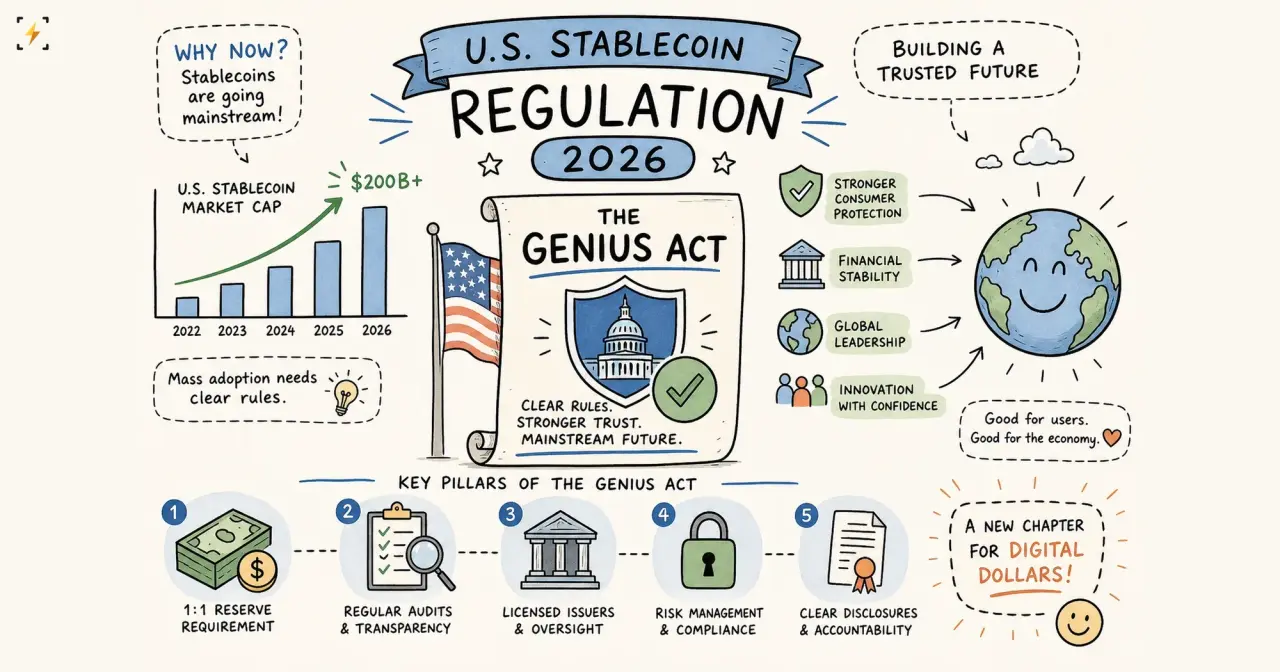
US stablecoin regulation: what the GENIUS Act requires
The GENIUS Act takes effect on 18 January 2027. What the law requires of issuers, which agencies supervise them, and what changes for anyone holding USDC or USDT.
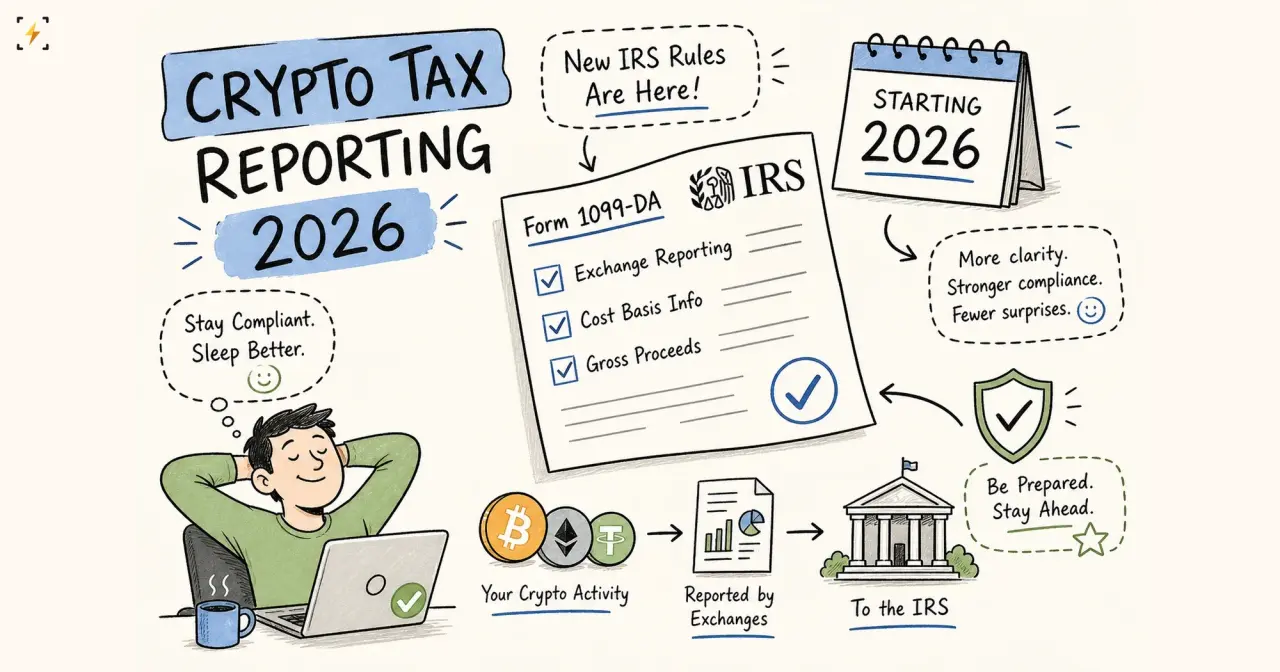
Crypto tax reporting 2026: What the IRS now requires
Brokers now report cost basis alongside gross proceeds on Form 1099-DA. What changed, which transactions to report, and how to reconcile the form.

What is crypto AML compliance? A guide for cryptocurrency
Discover how strengthening screening, monitoring, and risk controls can reduce exchange and VASP financial crime risk.

Crypto regulation: how licensing grew and where it leads
From the 2013 FinCEN guidance to 789 permissions across six regimes: how crypto licensing was built, what it costs to enter, and a pessimistic ten-year reading.

USDC: The dollar that Europe has allowed
$74bn in circulation and $19bn of daily turnover. Who stands behind USDC, what sits in its reserves, and why Europe let this coin stay but not USDT.

The Digital Euro: Europe's exit from non-EU payment schemes and the trust test that comes with It
Why the ECB is building its own payment rail, how it plans to keep payments private, and why trust decides whether any of it works.

How Tax Authorities Detect Undeclared Cryptocurrency Income
Why self-custody, DeFi and crypto cards do not make a person invisible, and how to restore PnL and correct tax history before an audit.

The CLARITY Act failed. What happens to crypto now?
The Senate blocked CLARITY 50 to 49 and XRP fell 8.83%. The bill is stalled rather than rejected, and the Fed now carries more weight than the vote did.

Crypto in Kazakhstan: how the country got here and who works there now
Kazakhstan went from an accidental mining boom and a grey zone to two regulators, a profit tax, and its own sovereign crypto reserve. Here's the full breakdown of laws, taxes, companies, and investment climate.

The CLARITY Act's September Gamble: What's Left to Fix Before Crypto's Big Vote
The Senate is expected to vote September 15 on whether to begin debating the CLARITY Act. Ethics rules, stablecoin rewards, and illicit finance remain unresolved.

The CLARITY Act, explained simply: how the US is carving up crypto into three regulatory buckets
The main US crypto market structure bill has passed the House and cleared a Senate committee, but it's still stuck before a final vote. Here's what the CLARITY Act actually changes, explained simply — and why it still hasn't passed.

The stablecoin war has a new front — and Circle's own partners are the attackers
The $320B+ stablecoin market is split between Tether and Circle — but both are now under pressure at once. Tether is fighting US regulators, while Circle is fighting its own partners, who just launched a rival called Open USD.

MiCA is now fully in force — and in three weeks it split Europe's crypto market into survivors and casualties
On July 1, 2026, the transitional grace period for the EU's flagship crypto law, MiCA, expired. Of the roughly 3,000 companies that had been operating in the EU under old national rules, only about 280 secured a license. Here's who survived, who left — and what it means for ordinary users.

How a Tether shareholder bought Nigel Farage — and nearly stopped Britain's digital pound
The owner of a 12% Tether stake earns roughly £1 billion a year from the company's profits — and has poured £25 million into Nigel Farage's party. Here's how stablecoin money ended up at the center of the fight against Britain's digital currency, Britcoin.

Binance Exits the EU: What Happened and What Users With EU Accounts Should Do
Binance failed to secure a MiCA license and is halting EU services from July 1. We break down why it happened and what to do if you have an EU-registered account.

CoinEx and Iran's $3.84B Crypto Flows: What TRM Labs Found
TRM Labs says CoinEx processed $3.84 billion in Iran-linked crypto flows since 2019, including $67M from Iran's Central Bank. CoinEx denies it. Here's the scheme and the context.